The Disdotona Gondola
Reale Società Canottieri Francesco Querini, Venice
Project:
Conservation of the largest Venetian gondola, the Disdotona
Location:
Societa Canottieri Querini
Start Date:
Spring 2026
End Date:
Autumn 2026
Funding:
€25,000
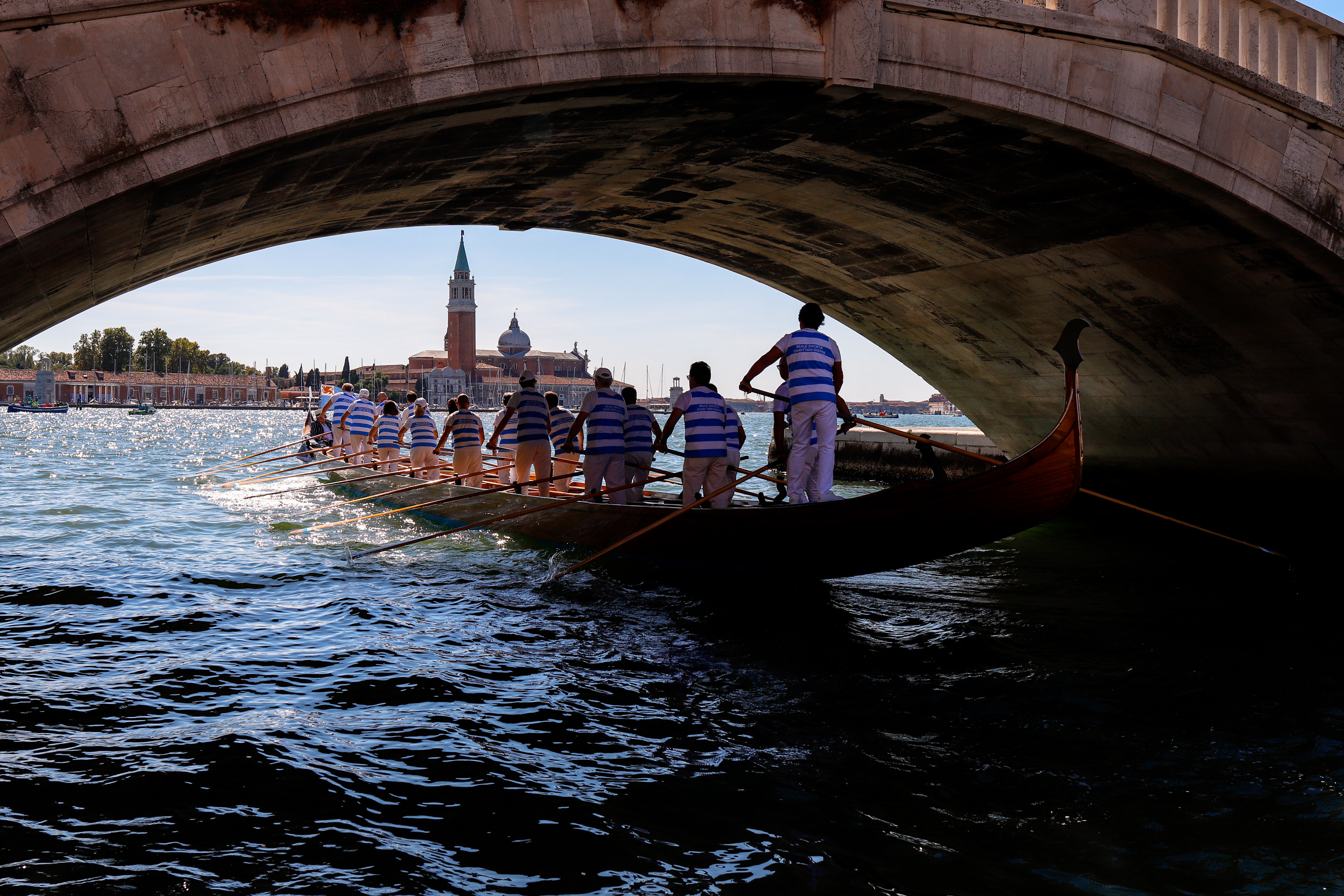
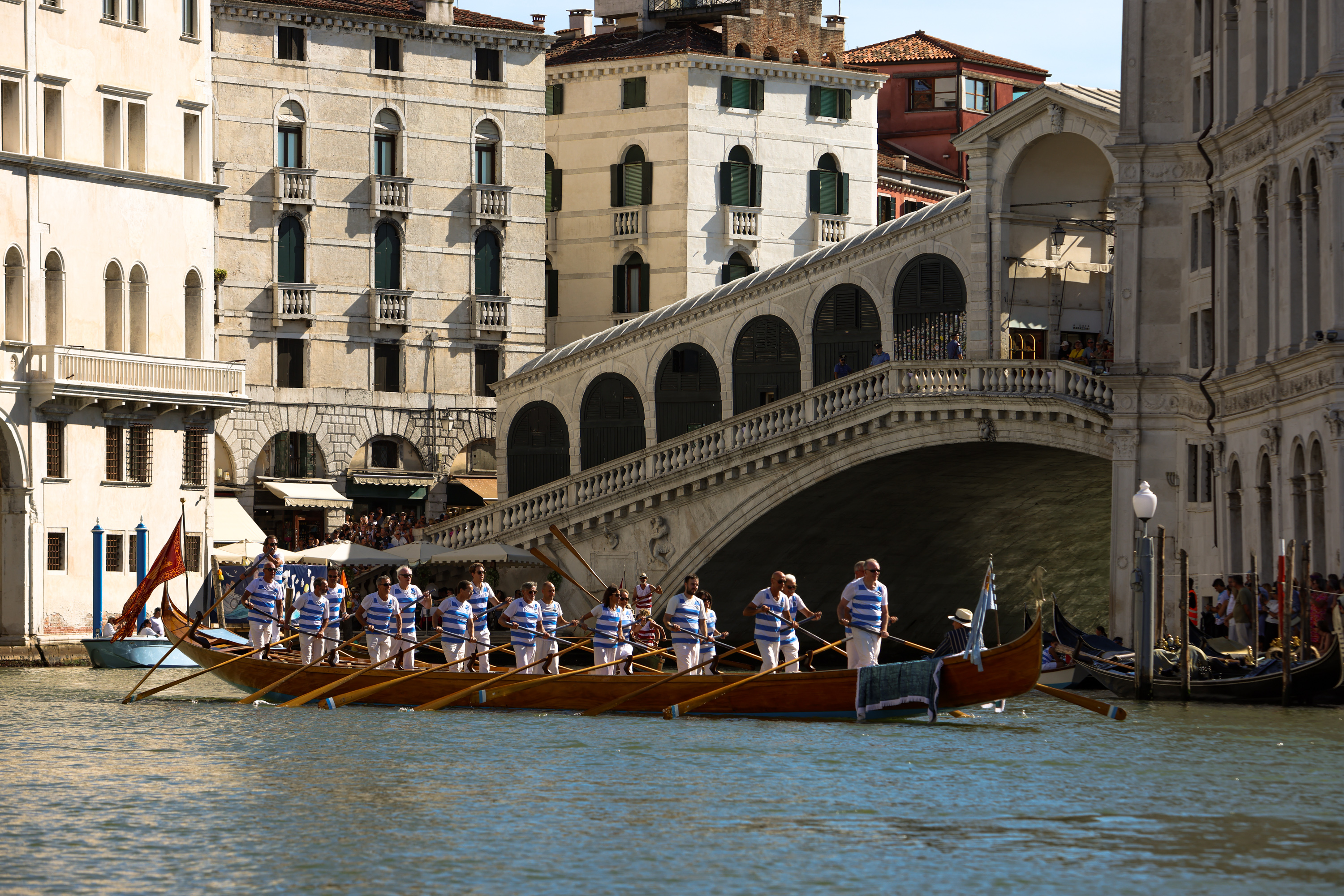
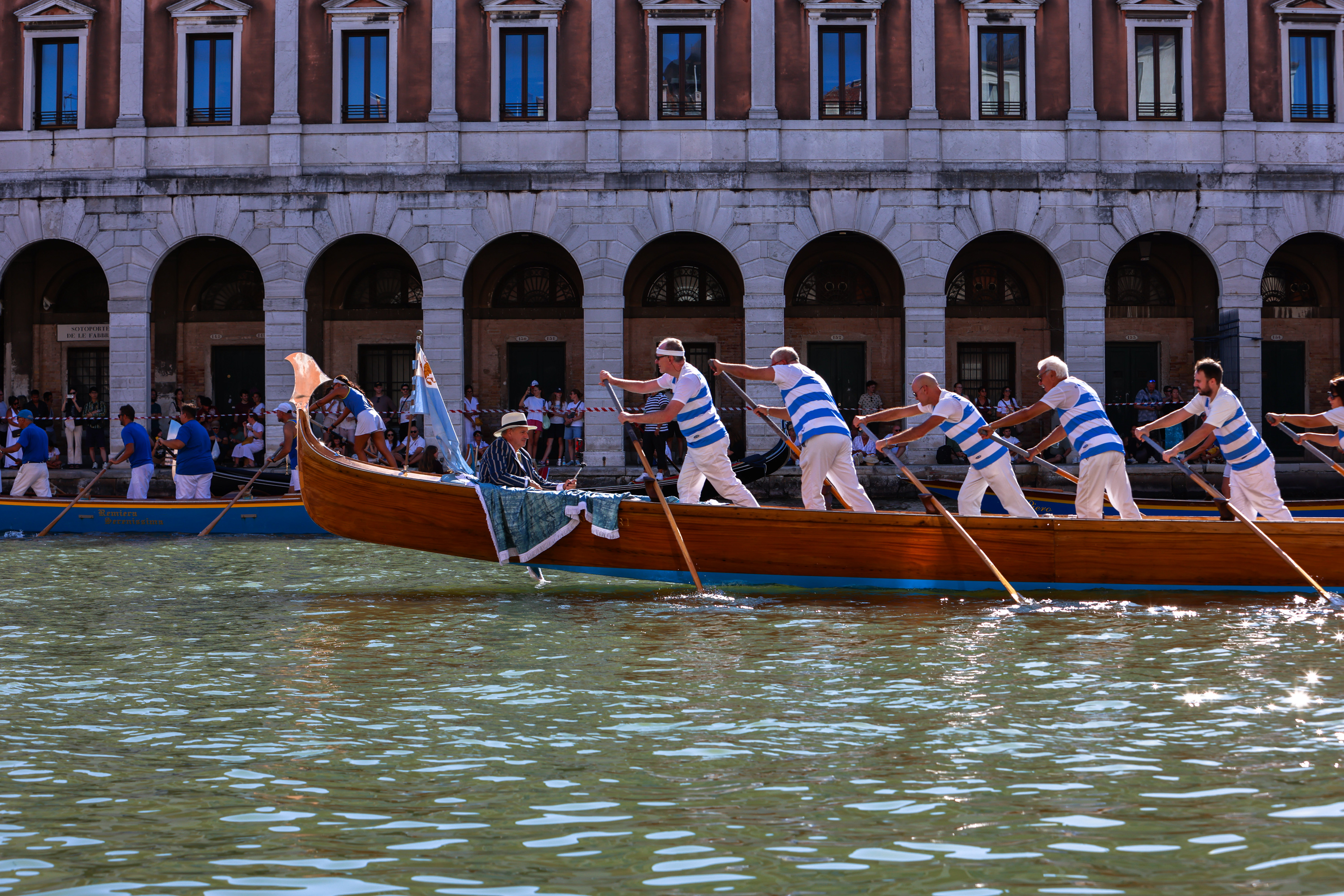
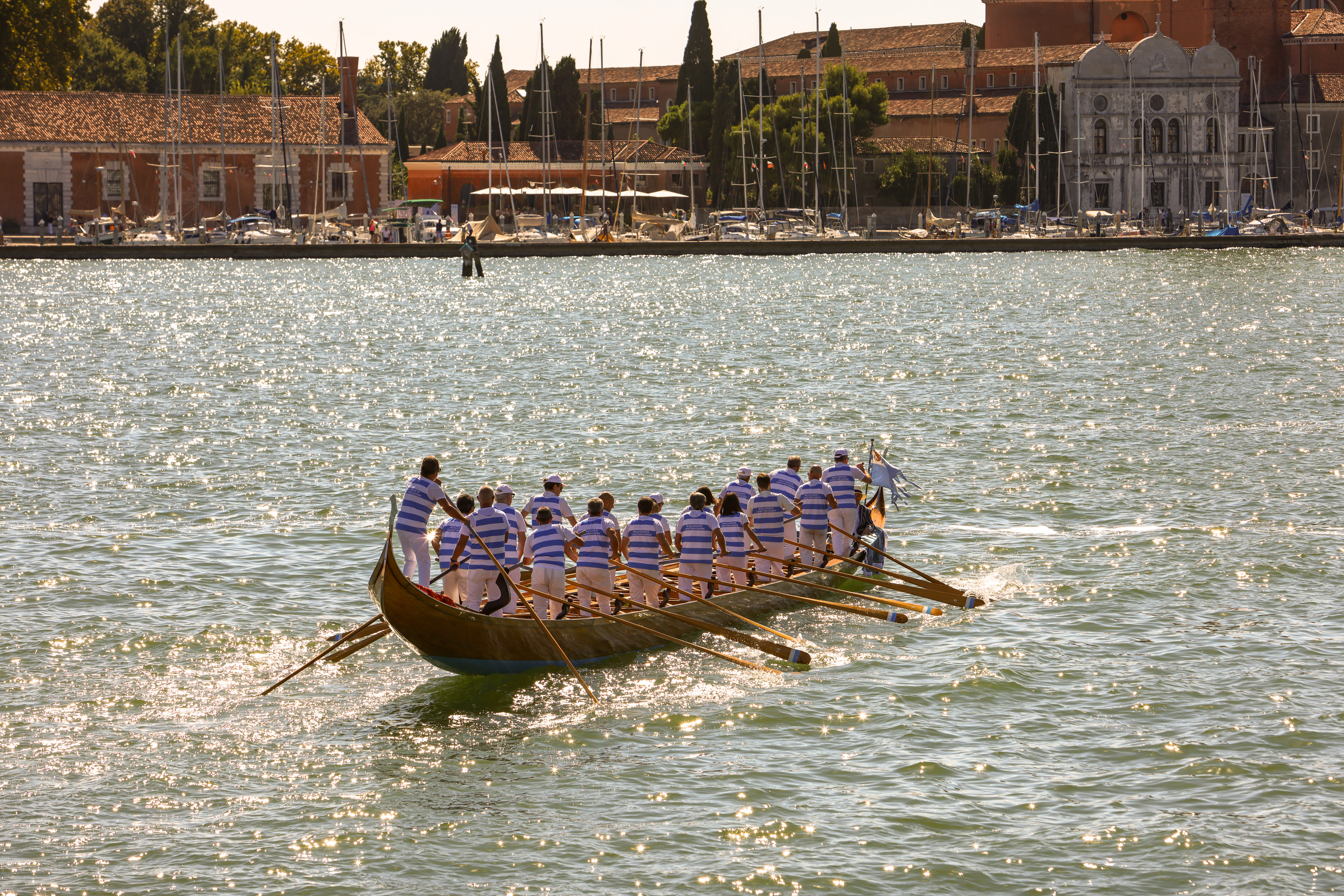
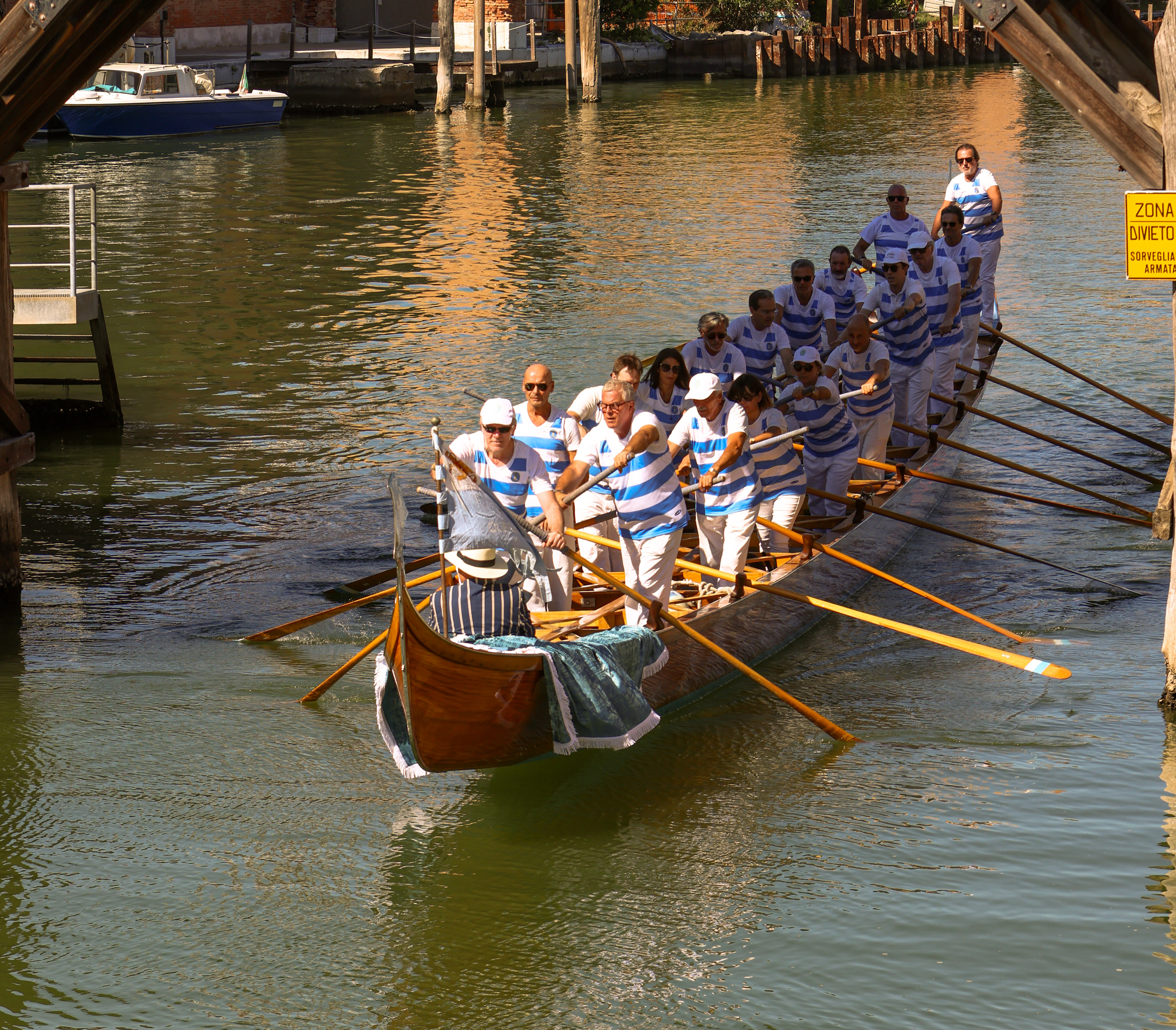
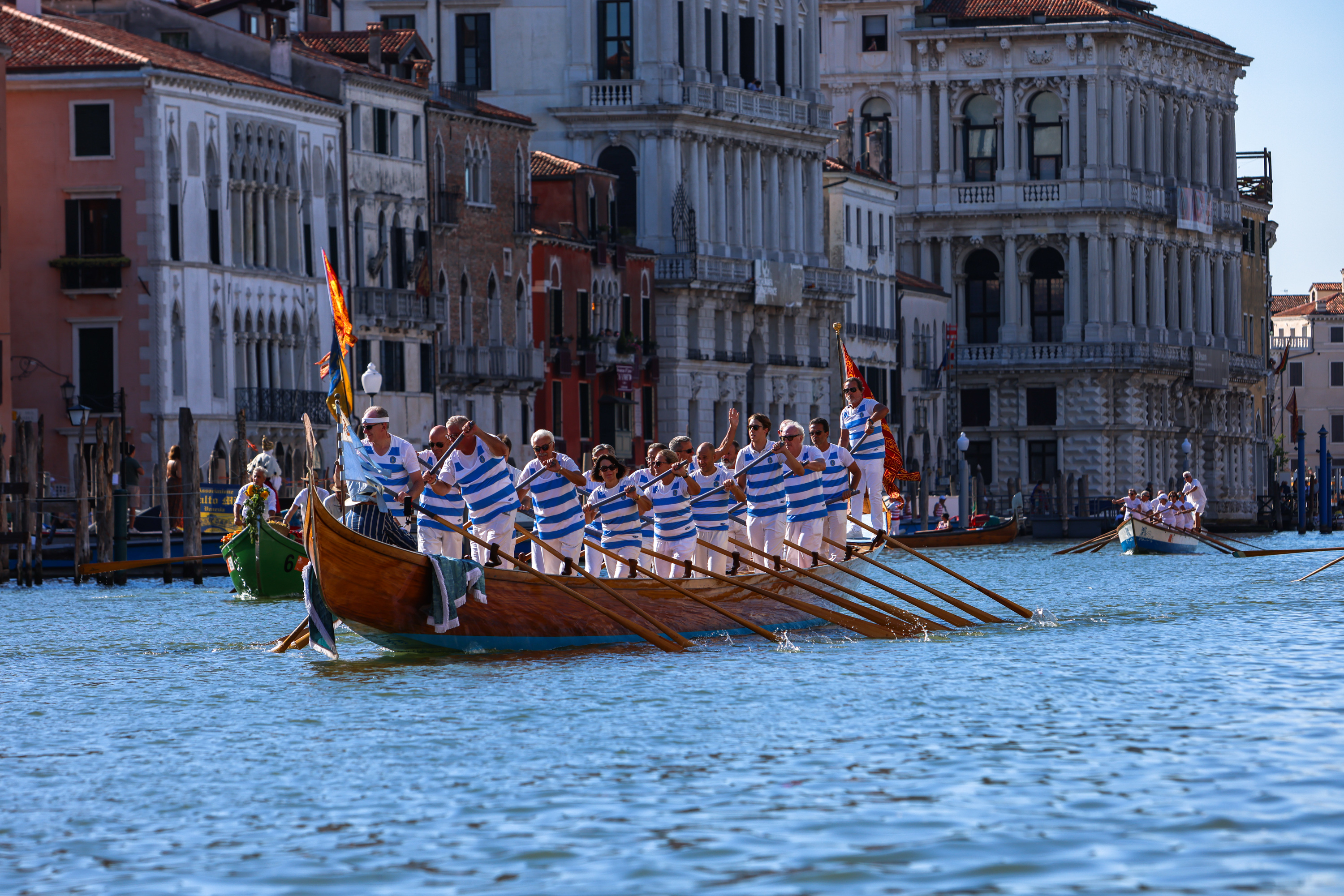
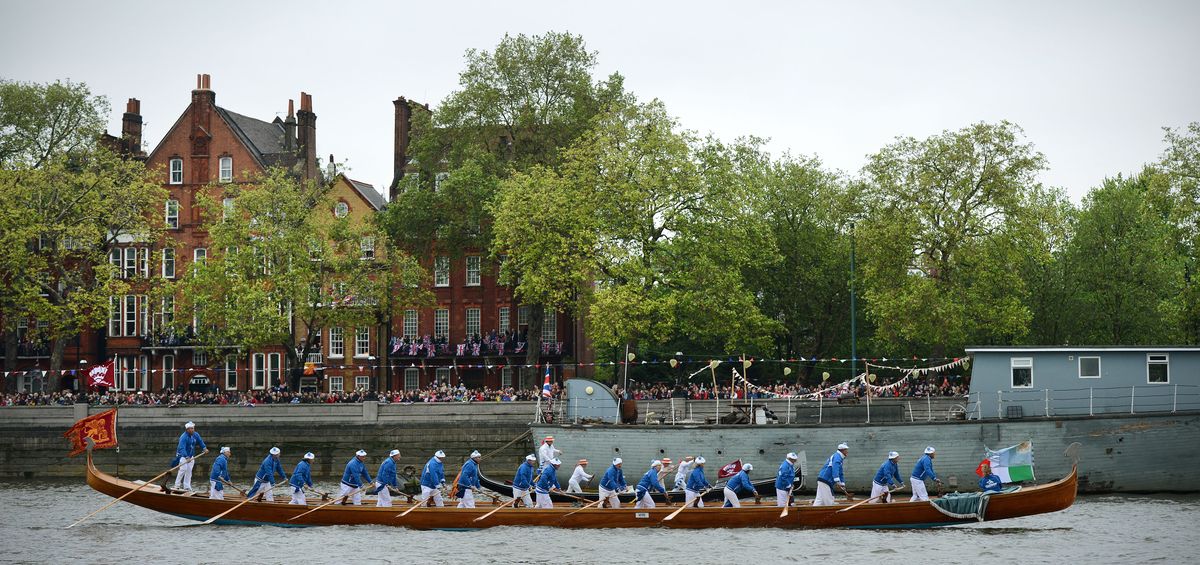
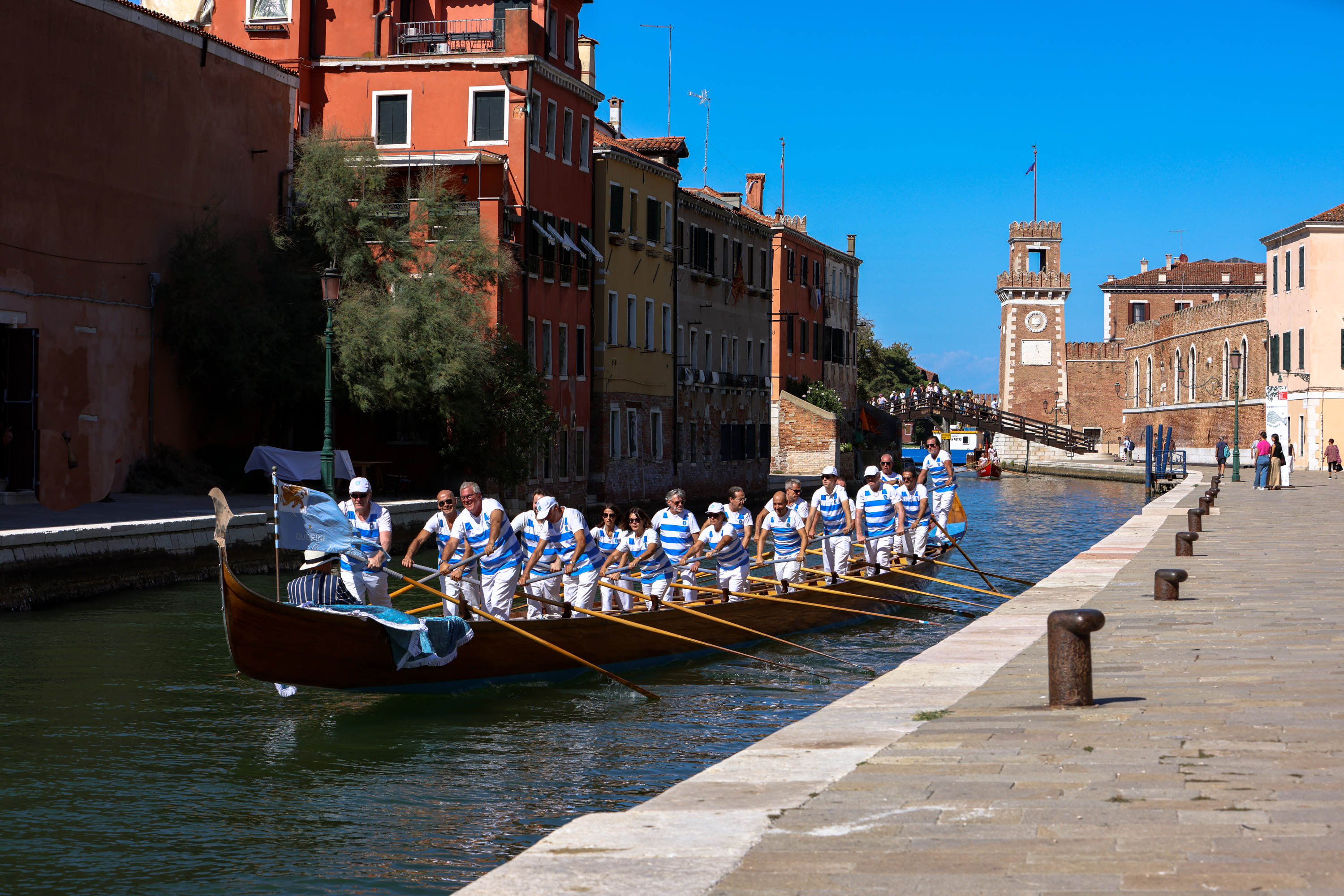
At 24 metres long and powered by 18 oars, the Disdotona is the largest and most prestigious Venetian gondola ever built, ‘disdoto’ meaning ‘eighteen’ in Venetian dialect. Originally commissioned in 1903 by the Reale Società Canottieri Francesco Querini (The Francesco Querini Royal Rowing Club; hereafter simply, the Club) and launched in St Mark’s Basin, it represents a living symbol of the Venetian rowing tradition and masterful boatbuilding.
The Club as founded in 1901 by Count Pietro Foscari, an officer of the Italian Royal Navy and a descendant of Doge Francesco Foscari. Since its foundation, the Club has excelled in local, national and international competitions, including the Olympic Games and World Championships.
Soon after its establishment, the Club built an impressive fleet of various kinds of rowing boats and commissioned a special ceremonial gondola as the jewel of their collection. While other ceremonial gondolas were rowed by up to twelve rowers, theirs was conceived on a far grander scale, for eighteen rowers.
Presented on 19 April 1903, this vessel was regarded as a bold experiment in boatbuilding. Preserving the traditional asymmetry of a Venetian gondola, naval engineer, Angelo Meloncini, contrived to extend the craft’s length from the customary eleven to an extraordinary twenty-four metres through construction in sections.
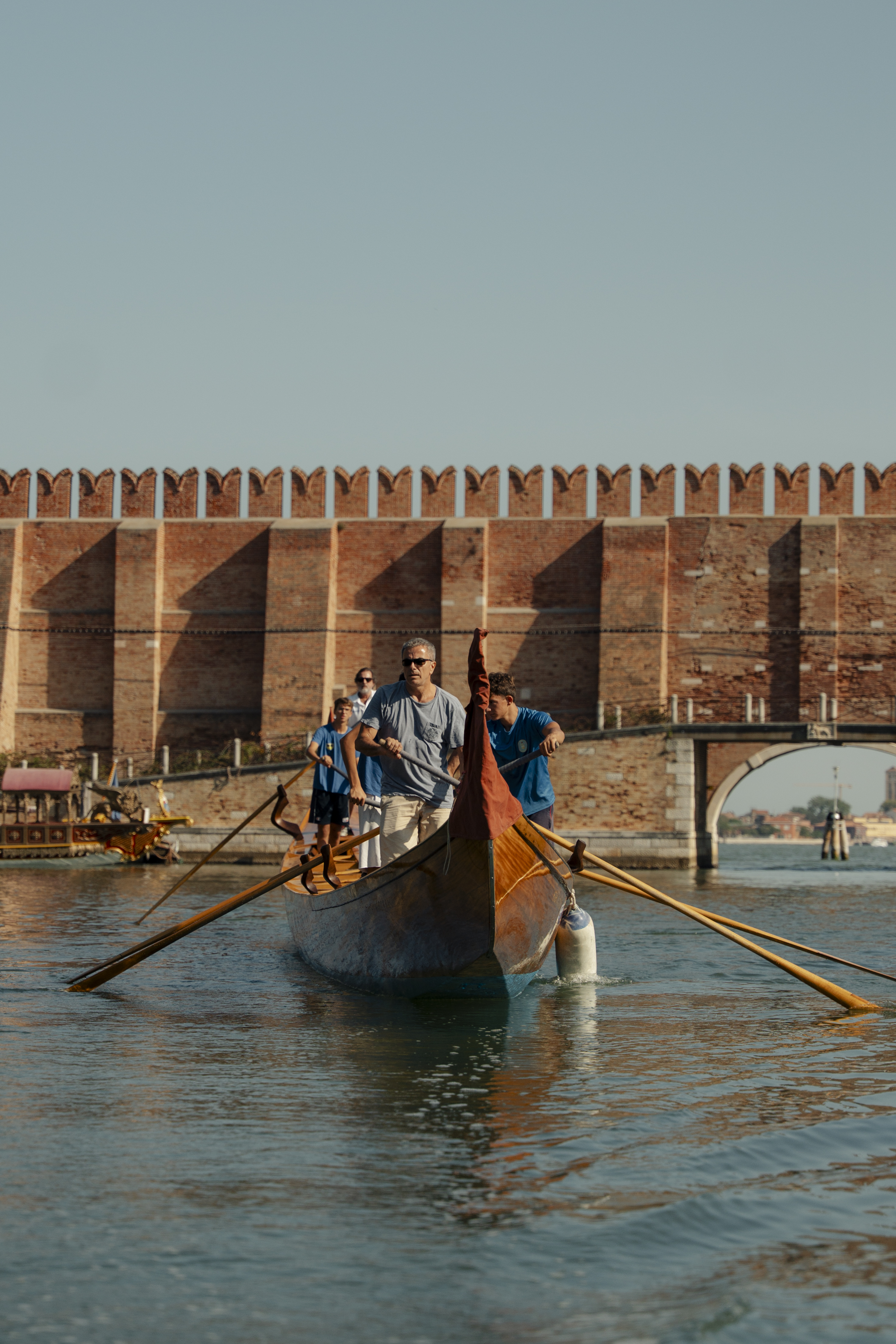
This remarkable feat, while ingenious, introduced unique practical challenges in manoeuvrability, transport, and dry storage which the Club still face today. Its magnificent scale precludes storage on the Club’s own premises, and thus explains its prestigious housing at a special deposit within the Arsenale; it was also one of the very few boats to remain there during WWII. Similarly, owing to its sectional design, the gondola cannot be lifted by crane in the customary manner, as this would risk fragmentation; instead, it must always be launched by floating. Regardless of, or perhaps underpinned by them, the Disdotona is still today recognised a truly exceptional craft, one that combines innovation with tradition.
Since the original Disdotona’s launch in 1903, it was conceived as a ceremonial vessel, reserved only for the most important and auspicious occasions. In this sense, although it belongs to the Querini club, it truly represents the Venetian rowing tradition for all the city. For example, it appears each year at the Festa della Sensa (Feast of the Ascension), during which the Marriage with the Sea is enacted, symbolising Venice’s dominion over the Adriatic Sea. Traditionally, the Disdotona has also acted as escort for visiting royalty or heads of state. Indeed, it accompanied a young Queen Elizabeth II to the Royal Yacht Britannia after her visits to Venice in the 1960s and 70s.
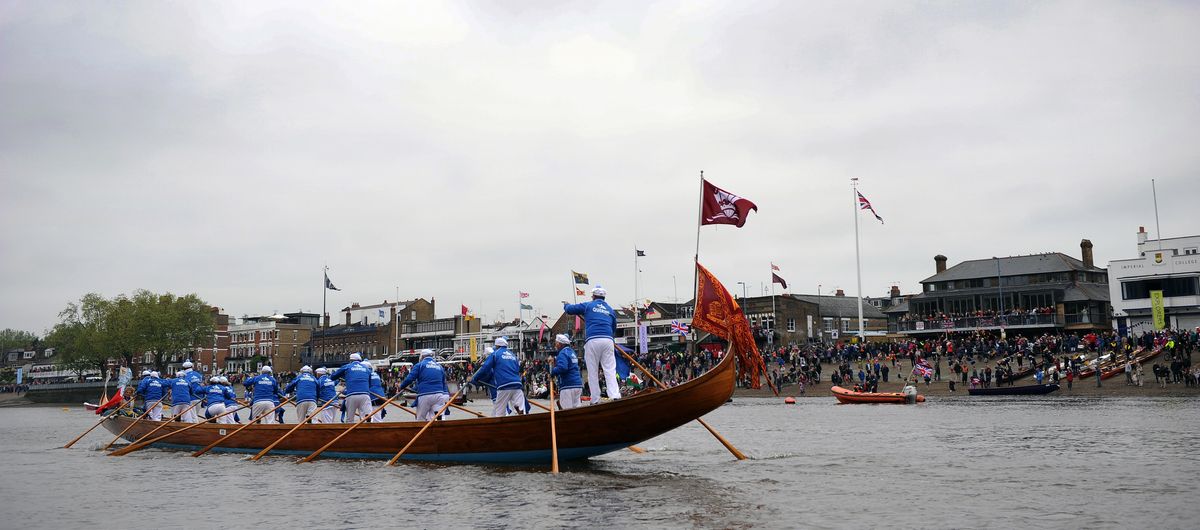
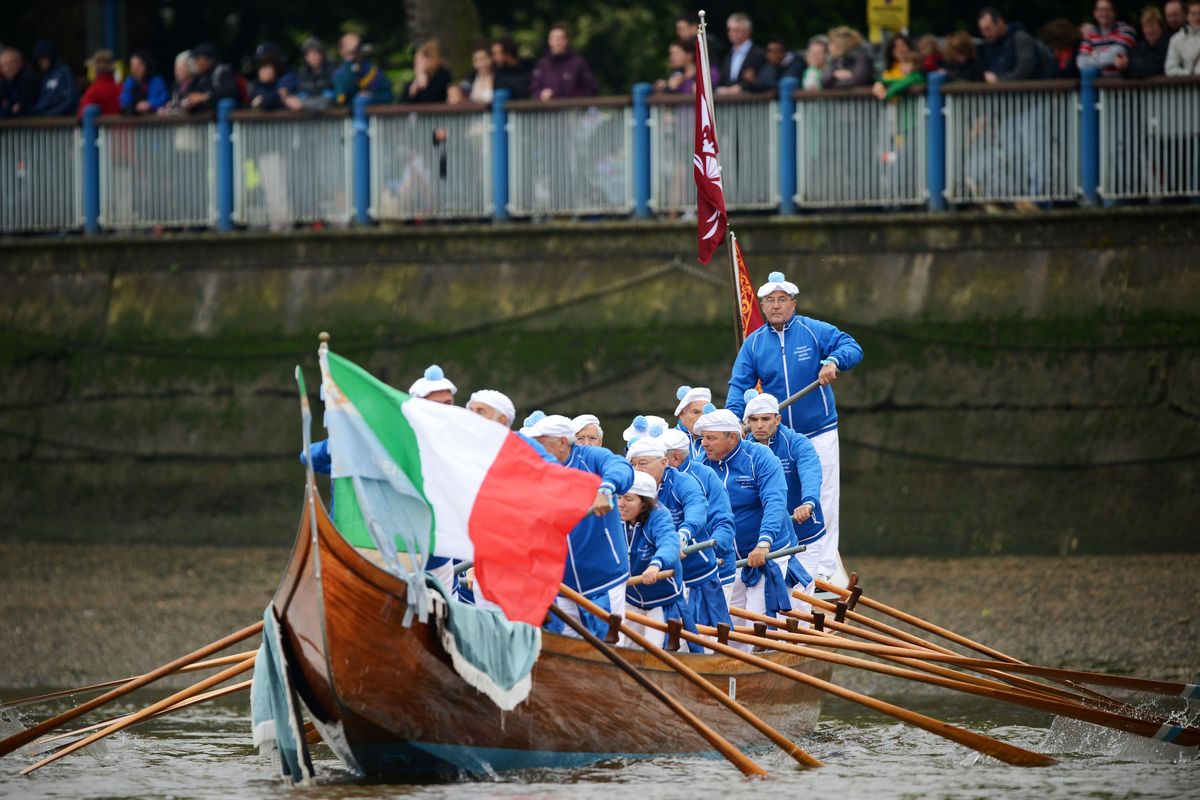
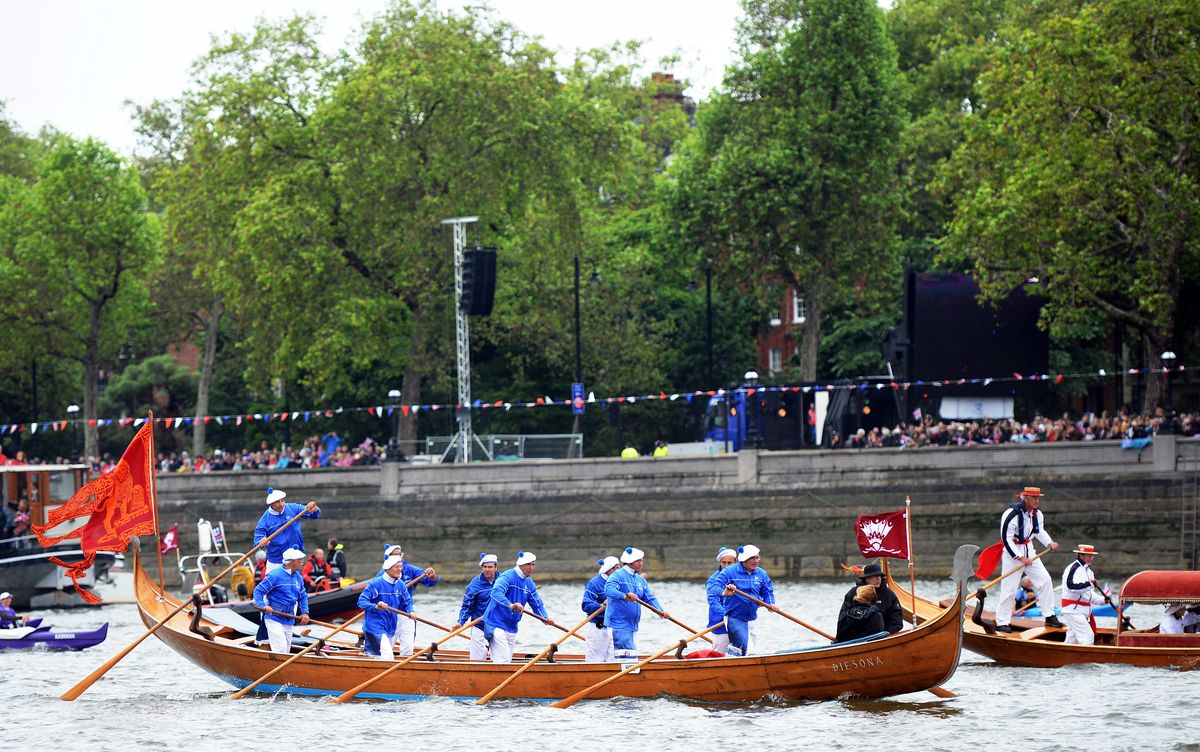
Now in its third incarnation (built in 1973), the Disdotona has cultivated also a lineage of representing Venice and its rowing tradition on an international stage. Over time, a particular connection with the UK and the great British rowing tradition has developed. The Disdotona travelled to the UK twice, taking part in the Henley Royal Regatta (2004) and, most significantly, in the ceremonial processions on the River Thames for Her Late Majesty Queen Elizabeth II’s Diamond Jubilee in 2012 (evoking perhaps, recall of its earlier escort). Today these encounters continue, as British clubs row alongside the Disdotona in the annual Vogalonga regatta around the Lagoon in May.
One specific voyage of the Disdotona is of particular poignance to Venice in Peril Fund. The ashes of our founder, Sir Ashley Clarke, after his decades in service of Venice, were honoured with an escort of the Disdotona as he made his final journey across the lagoon to the cemetery of San Michele.
After five decades of use and exposure to the elements, the Disdotona now requires extraordinary and urgent maintenance to ensure its survival and remain secure, intact and watertight.
Conservation will include will address the specific challenges of the Disdotona, above all in the replacement of all damaged wooden elements; special attention will be paid to revision of the joints and metal fixtures between the detachable sections, an area requiring unique attention on this craft. There will also be treatment against moisture and decay, and ultimately restoration of paintwork and decorative detailing. Work will be undertaken in two phases; the first phase has already begun to allow the Disdotona to appear at the Vogalonga and Festa della Sensa in May, while the second phase will continue during the summer so work is complete by the time of the Regatta Storica in September.
Venice in Peril Fund has committed to raise €25,000 to safeguard this unique example of Venetian maritime heritage, not as a museum object, but as a living vessel, still capable of being rowed, seen, and celebrated.
A selection of photos showing the Disdotona on the River Thames during Her Late Majesty Elizabeth II's Diamond Jubilee in 2012.